

 English
 Deutsch
  Italiano
  Русский
  Español
  Română
  Slovenščina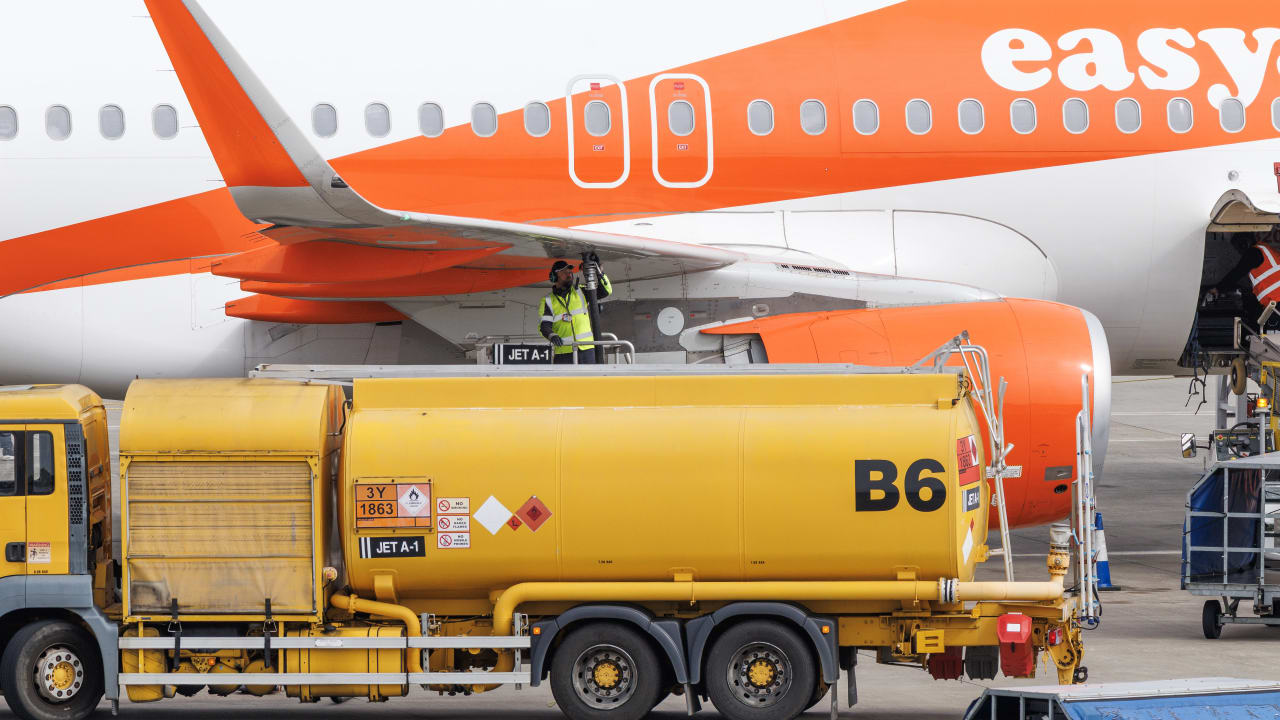
✈️ Can Flights Fail to Return from Egypt to Europe?
The Full Truth About Air Travel and Aviation Fuel
During periods of regional tension or rising oil prices, rumors and concerns sometimes spread among travelers regarding the aviation sector. One anxious question appears repeatedly: Can an aircraft fly to Egypt and then find itself unable to return to Europe?
The clear and professional answer is No. This scenario is not operationally realistic in modern civil aviation.
International flights between Egypt and Europe operate under strict global regulations that make the aircraft’s return a mandatory, pre-planned part of the operational cycle from the exact moment of departure.
🌐 How International Aviation Systems Work
The global civil aviation industry does not operate randomly. It relies on highly sophisticated, legally binding systems applied to all airlines worldwide.
Before any aircraft ever leaves the tarmac, it must pass a rigorous pre-flight checklist:
-
🗺️ Complete Route Planning: Highly optimized flight paths mapped out across international airspace.
-
🌤️ Dynamic Weather Analysis: Constant monitoring of jet streams, turbulence, and storm systems.
-
⛽ Precise Fuel Calculations: Factoring in weight, wind resistance, and taxi times.
-
🛫 Alternate Airport Planning: Designated backup runways mapped out along the entire route.
-
🛡️ Safety Procedure Reviews: Multi-point mechanical and operational safety checks.
-
📜 Official Flight Approvals: Strict sign-offs by international aviation authorities.
The Golden Rule of Aviation: An aircraft simply does not leave its departure airport unless there is 100% confirmation that it can safely complete the entire journey and continue operating according to approved procedures.
⛽ Does an Aircraft Need to “Find Fuel” in Egypt?
This is one of the most common misconceptions. In reality, commercial airlines do not operate under the assumption that an aircraft might “not find fuel to return.”
Flight operations are anchored by long-term, pre-arranged commercial contracts between airlines, airports, and global fuel suppliers. Egypt’s major international hubs are fully integrated into this global supply chain.
🏛️ Egypt’s World-Class Fuel Infrastructure
-
Cairo International Airport (CAI): A massive regional mega-hub with state-of-the-art refueling logistics.
-
Hurghada International Airport (HRG): Completely equipped to handle high-frequency European holiday traffic.
-
Sharm El Sheikh International Airport (SSH): Built to international standards, supporting hundreds of charter flights weekly.
Claims suggesting that aircraft could become “stuck” due to localized fuel shortages are completely inaccurate from an operational perspective.
📈 What Happens When Fuel Prices Rise?
Higher oil prices certainly affect airline economics, but they do not ground returning aircraft. When fuel costs spike, the impact is felt financially, not operationally. Travelers will typically notice:
-
🎟️ Higher base ticket prices
-
📊 Additional fuel surcharges
-
🗓️ Adjustments to seasonal flight frequencies or schedules
Flight operations themselves continue seamlessly as long as the airspace remains open and airports are functional.
🧮 The Anatomy of a Flight Fuel Plan
Every commercial flight follows strict Fuel Planning Regulations governed by international law. An aircraft is legally barred from taking off unless it is carrying a massive buffer of extra fuel.
[ Trip Fuel (A to B) ] + [ Contingency Fuel ] + [ Alternate Airport Fuel ] + [ Final Reserve (30 Mins) ]
This guarantees that even in the absolute worst-case scenario—such as an unexpected airport closure or extreme headwind—the aircraft always has enough fuel to reach a safe haven.
🛬 Why the Aircraft Must Return to Europe
From both an economic and logistical standpoint, a commercial aircraft cannot simply remain idle on foreign tarmac.
   [ Europe Base ]
        ▲    🪂
        │    │  (A continuous, mandatory
        │    │   operational cycle)
        🛩️   ▼
   [ Egypt Destination ]
-
💎 High-Value Assets: Commercial jets cost tens of millions of dollars. They only make money when they are in the air.
-
⚙️ Rigid Maintenance Cycles: Aircraft must return to specific European hubs for pre-scheduled engineering and safety checks.
-
🧩 Tight Crew Rotations: Flight crews have strict legal limits on their working hours and must return to their home bases.
🏖️ Why Europe Keeps Flying to Egypt
Egypt remains one of the most vital winter-sun and cultural tourism markets for European airlines and tour operators. The route makes massive commercial sense due to a few unbeatable factors:
-
⏱️ Short Flight Times: Only 4 to 5 hours from most Central European capitals.
-
☀️ Year-Round Weather: Reliable sunshine when Europe is at its coldest.
-
📉 Competitive Pricing: Excellent value for money compared to long-haul tropical destinations.
📋 The Final Verdict
The rumor that aircraft could be stranded in Egypt due to fuel shortages or current global conditions is a myth. Civil aviation operates on absolute precision, not guesswork.
| Operational Myth | Aviation Reality |
| “Aircraft might run out of fuel to get back.” | Fuel for the return or refueling contracts are locked in before departure. |
| “Flights can just stop suddenly without warning.” | Any schedule changes are coordinated weeks or months in advance. |
| “High oil prices will stop planes from flying.” | High prices affect ticket costs, never the mechanical ability to return. |
The bottom line: Flights between Egypt and Europe are active, stable, and completely safe. Egyptian airports continue to welcome and return thousands of international travelers every single day.
📝 SEO Meta Data for Your Blog
-
Meta Title: Can Flights Fail to Return from Egypt to Europe? The Full Truth
-
Meta Description: Worried about getting stuck? Discover the truth about international aviation laws, fuel contracts, and why flights from Egypt to Europe cannot simply fail to return.

Comment (0)