

 English
 Deutsch
  Italiano
  Русский
  Español
  Română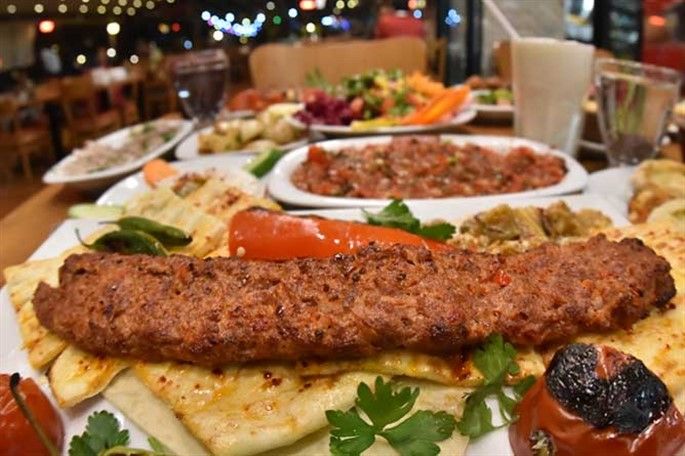
The Diversity of Egyptian Cuisine and Its Link to Geography and History
Egyptian cuisine is a living canvas painted by the Nile, the Mediterranean, and the Red Sea, inherited across generations from urban centers, rural villages, and desert tribes. Flavors are shaped by Delta crops, coastal fish, and rustic recipes from Upper Egypt and Sinai, creating a food memory that ties families to seasons, cities to their history, and travelers to the first dish they taste in Egypt.
Cairo
Famous Dishes
- Koshari: Pasta, lentils, rice, and chickpeas, served with spicy tomato sauce and fried onions.
- Foul & Taameya (Falafel): Slow-cooked fava beans and falafel made from fava beans with herbs.
- Stuffed Pigeon: Pigeon stuffed with freekeh or rice, roasted or fried, served with broth.
- Molokhia: Chopped molokhia leaves cooked in chicken or meat broth, finished with garlic and coriander.
- Hawawshi: Flatbread stuffed with spiced minced meat, baked in traditional ovens.
Ingredients & Serving
- Koshari: Layers of grains topped with fried onions and spicy vinegar sauce.
- Foul & Taameya: Foul with oil, lemon, and cumin; falafel fried golden and served with salad and bread.
- Stuffed Pigeon: Boiled then roasted, served hot with rice or potatoes.
- Molokhia: Served with rice or bread, with garlic-coriander topping poured just before serving.
- Hawawshi: Cut into wedges, eaten hot with pickles.
Why It’s Famous
Cairo’s street food culture merged with home traditions, making koshari and foul symbols of the city’s pulse, while hawawshi and molokhia preserved the authenticity of oven-baked and family-style cooking.
Tips for Trying
Best enjoyed at midday from koshari shops, foul and taameya in the morning from old bakeries, and hawawshi or stuffed pigeon in the evening at traditional restaurants.
Alexandria
Famous Dishes
- Fish Rice: Brown rice cooked in fish broth, served with fried or grilled fish.
- Seafood Casseroles: Shrimp or calamari baked with tomato and garlic.
- Alexandrian Hawawshi: Meat baked in thin dough.
- Freska: Sweet wafers sold on the beach.
Why It’s Famous
Abundant fishing and the city’s ports shaped a seafood-rich cuisine, while freska became a nostalgic symbol of summer by the sea.
Tips for Trying
Seafood casseroles at sunset near the port, freska on the Corniche in summer, and fish rice in Anfoushi markets.
Port Said
Famous Dishes
- Canal Fish & Shellfish: Mullet, sardines, squid, and shrimp.
- Ringa & Feseekh: Salted fish eaten in spring festivals.
- Squid Casserole: Calamari in spicy tomato sauce.
Why It’s Famous
Its location on the Suez Canal made Port Said a hub for fresh fish and seafood trade, shaping its daily cuisine.
Tips for Trying
Fresh fish in the morning after port auctions, salted fish in spring, and squid casseroles in canal-side restaurants.
Damietta
Famous Dishes
- Damietta Cheese: Mild salty white cheese.
- Meshabbak & Sweets: Traditional Damietta pastries.
- Lake Fish: Mullet and bream from northern lakes.
Why It’s Famous
Damietta’s artisanal cheese and sweets, combined with its proximity to lakes, gave it a distinct culinary identity.
Tips for Trying
Cheese in old markets in the morning, sweets in the evening, and fish in Ras El Bar restaurants.
Upper Egypt (Luxor, Aswan, Sohag, Qena)
Famous Dishes
- Weika (Mashed Okra): Okra cooked to a creamy texture.
- Fatta: Rice and toasted bread soaked in broth and garlic, served during feasts.
- Mish: Fermented cheese with salt and spices.
- Rural Feteer Meshaltet: Layered pastry with ghee.
- Cow Feet & Shank: Slow-cooked meat cuts in rich broth.
Why It’s Famous
Rural life and seasonal traditions shaped festive dishes rich in broth and ghee, with preservation methods like fermentation and pickling.
Tips for Trying
Fatta during religious festivals, feteer in rural homes, and weika in countryside eateries.
Sinai (Sharm El Sheikh, Dahab, North Sinai)
Famous Dishes
- Zarb Bedouin Roast: Meat or chicken cooked underground in hot sand and coals.
- Milla Bread: Bedouin bread baked under sand.
- Bedouin Tea with Sage: Strong tea infused with herbs.
- Red Sea Fish: Grouper, snapper, shrimp.
Why It’s Famous
Nomadic desert life created practical cooking methods, while coastal tourism boosted fresh seafood traditions.
Tips for Trying
Zarb and milla bread in Bedouin camps at night, seafood at sunset on the beach, and tea after desert safaris.
The Delta (Dakahlia, Kafr El Sheikh, Gharbia, Menoufia)
Famous Dishes
- Feseekh & Ringa: Salted fish linked to spring festivals.
- Stuffed Duck: Duck filled with rice and herbs.
- Feteer & Fatta: Popular in villages.
- Green Taameya: Falafel rich in dill and coriander.
Why It’s Famous
Delta’s lakes and farms provided fish and poultry, shaping a cuisine of fermentation, preservation, and communal cooking.
Tips for Trying
Feseekh in spring (from trusted sources), duck during harvest seasons, and green taameya in village bakeries.
Suez Canal Cities (Ismailia & Suez)
Famous Dishes
- Canal Fish: Tilapia, mullet, shrimp.
- Fish & Potato Casseroles: Fish baked with vegetables.
Why It’s Famous
Proximity to lakes and the canal made fresh fish a daily staple, with family-run restaurants preserving tradition.
Tips for Trying
Fish at port restaurants at noon, casseroles in the evening.
Conclusion
Egyptian cuisine is an open archive of cultural identity, where Nile, sea, and desert stories meet on simple yet rich tables. From Cairo’s koshari to Sinai’s zarb, Alexandria’s fish rice to Upper Egypt’s feteer, travelers discover a journey of flavors that prove food in Egypt is not just a dish, but memory, warmth, and generosity. This map is not the end—it’s an invitation to explore cities through their street food and markets, where the story is written every day with a new bite.

Comment (0)