

 English
 Deutsch
  Italiano
  Русский
  Español
  Română
  Slovenščina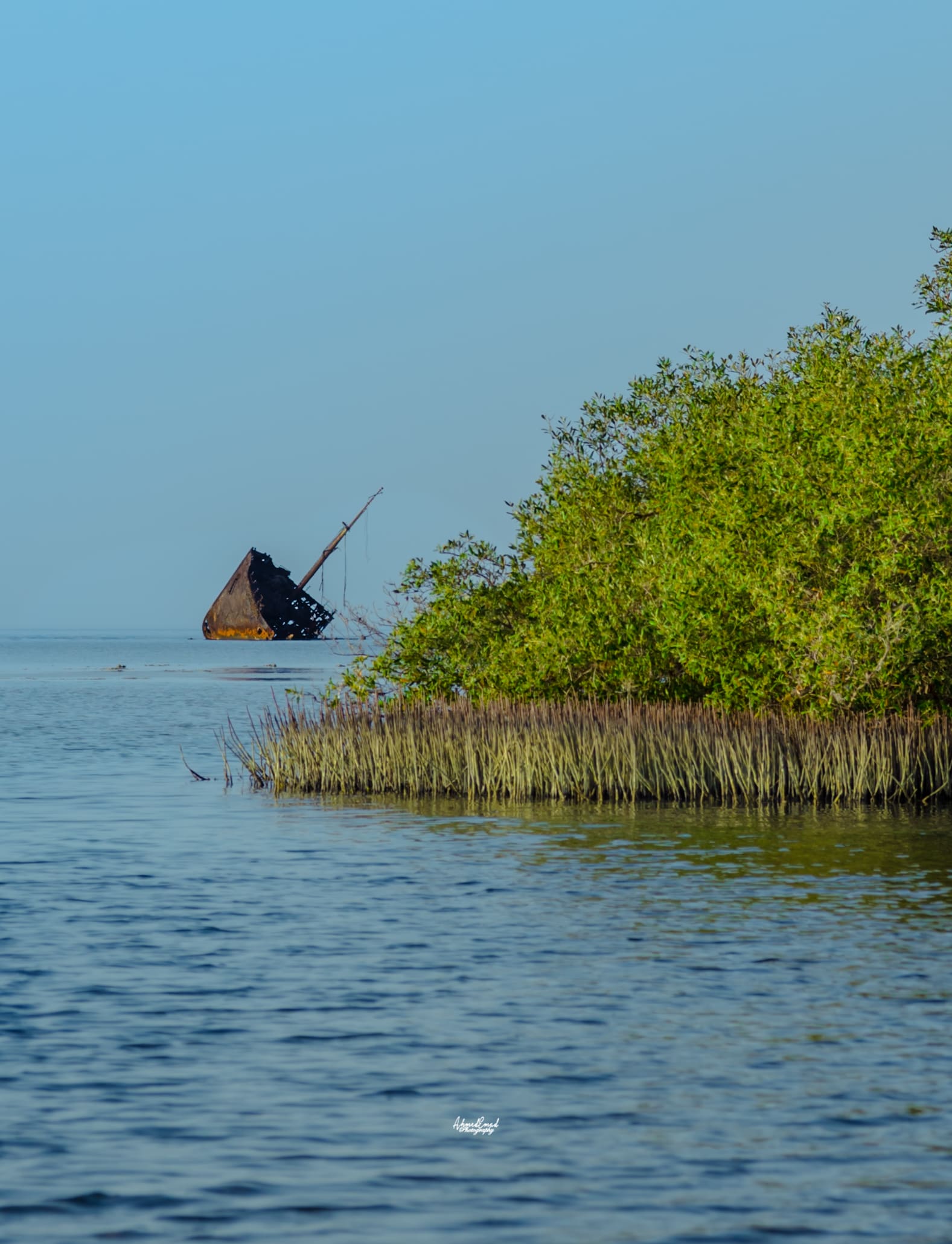
Nabq Protectorate: Where the Desert Meets the Sea
There aren’t many places in Egypt where you can see desert, sea, and mangroves in the same frame. Nabq Protectorate is one of the rare ones. It’s also one of the largest nature reserves in South Sinai, covering more than 600 square kilometers, about 35 kilometers north of Sharm El Sheikh on the road to Nuweiba.
The reserve was established in 1992, and it’s been protected ever since as one of the most important ecological areas on the Red Sea. What sets it apart is that it isn’t just a beach and it isn’t just desert. It’s a full ecosystem that brings together mountains, desert, coral reefs, and mangrove forests, all within a relatively short stretch of land.
The Mangrove Forest: The Part That Will Surprise You
If you ask someone about Egypt, mangrove forests are probably the last thing that comes to mind. But Nabq has one of the largest and most important mangrove forests in the country. These trees grow in salt water, and their roots sit exposed above the surface at low tide and disappear when the tide comes in.
The mangrove isn’t just scenery, it’s a working ecosystem. Small fish use it as a natural nursery, and migratory birds land here on their way between Africa, Asia, and Europe. Go early in the morning and there’s a good chance you’ll spot a grey heron or other seabirds hunting between the roots.
Walking the wooden boardwalks through the mangrove is a different experience from anything else in Sinai. It’s genuinely quiet, there are no crowds, and the only sounds are the water and the birds.
Coral Reefs and Marine Life
Nabq’s coastline is one of the cleanest in South Sinai, because the reserve limits visitor numbers and restricts anything that could damage the marine environment. The coral here is still in excellent shape, for two reasons: low visitor traffic, and the reserve’s closeness to deeper offshore waters that keep the water clear.
Snorkeling in Nabq feels different from Sharm El Sheikh itself. It’s quieter, the coral sits closer to the surface in some spots, and you can spot colorful reef fish, stingrays, and occasionally sea turtles if you’re lucky. There are no massive hotels here and no fleets of dive boats, and that’s exactly what makes the experience feel real.
Desert and Mountains: The Other Side of the Reserve
Nabq isn’t only about the sea. The desert side of the reserve has varied terrain, from sand dunes to rocky mountains, along with rare desert plants that have adapted to the dry conditions over thousands of years. One of the most notable is the arak tree, which Bedouins have used for centuries as a natural toothbrush.
The reserve is also home to wildlife like mountain gazelles and Nubian ibex, along with various reptiles and desert foxes. The chance to see a wild animal roaming free isn’t common everywhere, but Nabq is one of the few places that still holds onto that balance.
The Bedouin Heritage in Nabq
A large part of Nabq’s beauty isn’t just natural, it’s human too. The reserve includes small Bedouin villages, and residents still live much the way their ancestors did for hundreds of years. Walk with a Bedouin guide and you’ll find yourself listening to stories about the desert, the stars, and the navigation methods used long before any modern technology existed.
A camel or jeep safari through Nabq isn’t just a tourist activity, it’s a chance to understand how the Bedouin adapted to survive in such a harsh environment. Many trips end with a Bedouin tea session around a small fire, and the tea here tastes different. The wild herbs give it a flavor you won’t find anywhere else.
How to Visit Nabq
The easiest way to reach Nabq is from Sharm El Sheikh, about a 30 to 45 minute drive along the coastal road to Nuweiba. Most visits run as a full day trip, combining beach time for snorkeling, a walk through the mangrove boardwalks, and often a short desert safari on the same day.
The best time to visit is early morning, before the heat picks up, which is also when your chances of spotting birds and wildlife are highest. Winter and spring offer the best weather, but even in summer, the reserve’s relative calm makes it a comfortable break from the crowds in Sharm El Sheikh.
Bring enough water, sunscreen, and comfortable shoes if you plan on walking through the desert or the boardwalks. The reserve charges a small entrance fee that goes toward maintaining and protecting the site.
Why Nabq Deserves a Day of Your Trip
There’s a real difference between visiting a tourist spot and visiting a place that’s held onto its character. Nabq is one of the few places that’s managed to balance tourism with conservation. There are no high-rise buildings here, no hotels right on the beach. The reserve is protected in the true sense of the word.
If your Sharm El Sheikh trip has been all hotel, beach, and diving, a day in Nabq will give you a completely different picture of Sinai. One with desert, sea, nature, and Bedouin heritage, all in a single place.
Book Your Trip to Nabq Protectorate
We run day trips to Nabq Protectorate that combine snorkeling, a visit to the mangrove forest, and a short desert safari with a local guide.

Comment (0)